A worn or underperforming compressor doesn’t always mean you need to replace it. CAE can evaluate your equipment, identify what’s causing the problem, and determine whether a rebuild can restore reliable operation while getting more life from the equipment you already have.
Grinding, growling, or other new sounds
Your compressor is struggling to meet demand
Higher Temperatures
Equipment is running hotter than normal
Increased vibration may indicate internal wear. CAE’s vibration analysis can help identify the cause.
Recurring alarms or unexpected stops
Your compressor is working harder to produce the air you nee
Replacing an entire compressor can be a significant investment — and it may not always be necessary. If the rest of your equipment is still in good condition, rebuilding worn components may provide a more cost-effective way to restore performance and extend the useful life of your system.
CAE can help evaluate your equipment and help you compare your options based on equipment condition, operating requirements, downtime, and long-term cost.
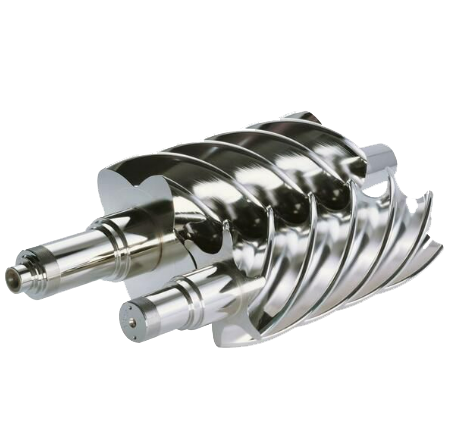
When your airend begins to wear, waiting for a failure can mean more downtime, lost productivity, and higher repair costs. But replacing the entire compressor may not be necessary.
CAE can evaluate and rebuild worn equipment to help restore reliable performance while extending the life of your existing compressor. Our goal is to help you get the equipment you already have back to work while minimizing disruption to your operation.
Benefits of rebuilding:
Address airend wear before it turns into a larger failure that disrupts your operation.
Rebuilding can provide a more cost-effective alternative when full compressor replacement isn't necessary.
Restore worn components and get more productive life from the equipment you've already invested in.
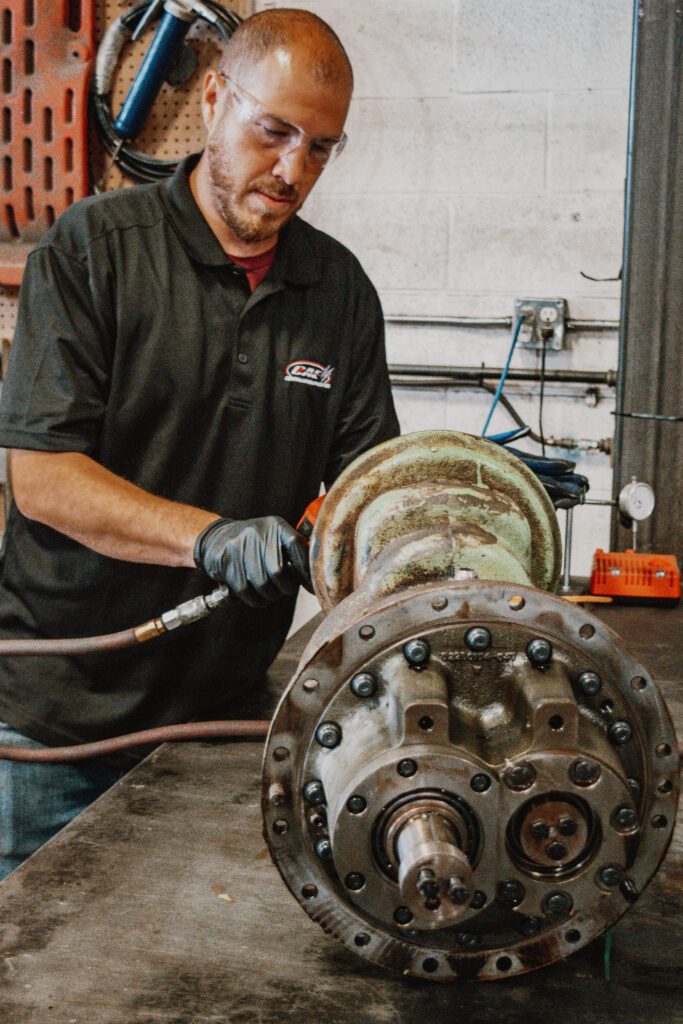
The airend is carefully disassembled so our technicians can inspect the internal components and determine the extent of wear or damage. This gives us a clear picture of what needs to be addressed before the rebuild begins.
Bearings, seals, rotors, housings, and other critical components are evaluated for wear and condition. Our team identifies which components can continue to perform reliably and which need to be replaced as part of the rebuild.
Components are thoroughly cleaned to remove oil, buildup, and contaminants before reassembly. This also gives our technicians a better look at component condition and prepares the airend for the next stage of the rebuild.
Worn bearings, seals, and other necessary components are replaced to address the issues affecting your airend’s performance. The goal is to correct internal wear before it leads to additional compressor problems or unplanned downtime.
Once the necessary components have been addressed, the airend is carefully reassembled. Attention is given throughout the process to help restore dependable operation and get more life from your existing equipment.
Before the rebuilt airend is returned to service, it goes through a final inspection and performance checks. This helps verify that the rebuild has been completed properly and the airend is ready to get back to work.
A rebuild is only one part of keeping your compressed air system running. CAE can help evaluate the problem, keep temporary air available during service, and support your equipment after the rebuild to help reduce future downtime.
Identify the cause of equipment problems through advanced diagnostics, including vibration analysis, thermal imaging, and oil analysis, to help determine whether repair, rebuilding, or replacement is the best solution.
Get the parts and service support needed to address additional equipment issues.
Keep production running while your compressor is being serviced or rebuilt.
Help protect your rebuilt equipment and catch developing problems before they lead to downtime.
If your compressor is showing signs of wear or causing repeated problems, CAE can evaluate its condition and help you determine the most practical path forward based on performance, downtime, and long-term equipment needs.
The airend is the main compression component inside a rotary screw air compressor. It contains the rotors and internal components that compress air before it moves through the rest of the system.
It depends on the compressor’s condition, age, repair history, operating requirements, and the cost and downtime associated with replacement. An equipment evaluation can help determine which option makes the most sense.
Unusual noise, excessive vibration, higher operating temperatures, reduced airflow, frequent shutdowns, and declining performance can all indicate equipment wear. Diagnostic services such as vibration analysis, thermal imaging, and oil analysis can help identify underlying issues and determine whether an airend rebuild is necessary.
Yes. CAE states that its technicians service and repair all makes and models of industrial air compressors and associated compressed air equipment.
We use cookies to improve your experience, analyze traffic, and support marketing. You can accept all, reject non-essential cookies, or customize your choices.
California users can reject marketing cookies to opt out of sale/share or targeted advertising.